Common Causes of Residential Water Leaks
Where leaks usually start in a home and simple ways to reduce the risk.
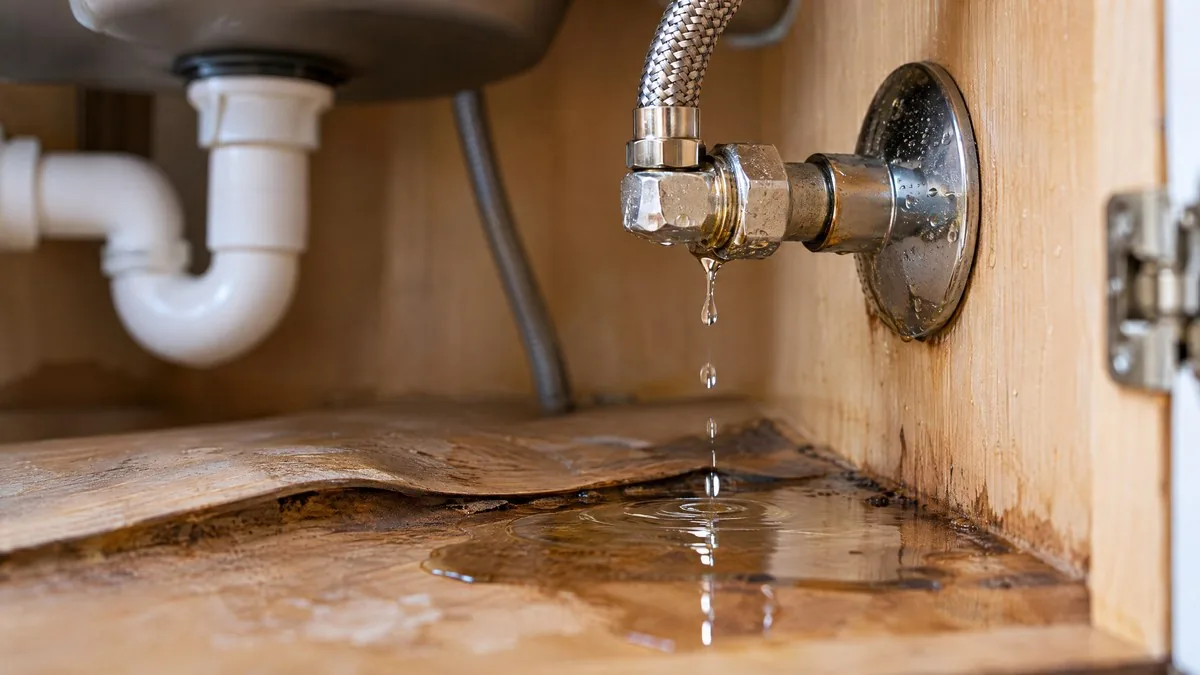
Most household leaks come from a handful of predictable sources. Knowing them helps you spot problems early.
Supply lines and connections
Braided supply lines to faucets, toilets, dishwashers, refrigerators and washing machines can wear out, kink or burst. Inspect them periodically and replace any that look corroded, bulging or frayed.
Toilets
Worn wax rings can leak at the base; failed fill valves and flappers can leak inside the tank.
Faucets and shutoff valves
Worn cartridges, washers and O-rings cause drips. Old shutoff valves can seize or leak when finally turned.
Corrosion
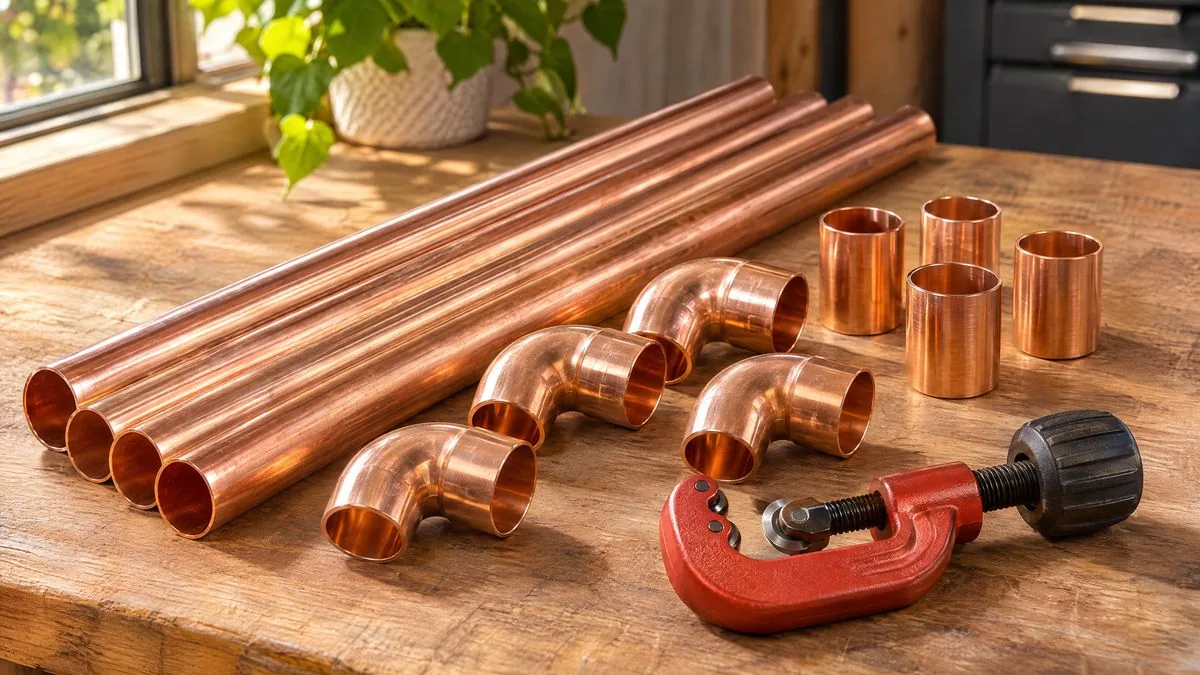
Older galvanized steel and some copper pipes can corrode over time, leading to pinhole leaks.
High water pressure
Excessive pressure strains pipes, fittings and appliances. A plumber can check your pressure and recommend a pressure-reducing valve if needed.
Freezing
Pipes in exterior walls, garages and crawl spaces can split during cold snaps. See why pipes burst during cold weather.
Water heaters
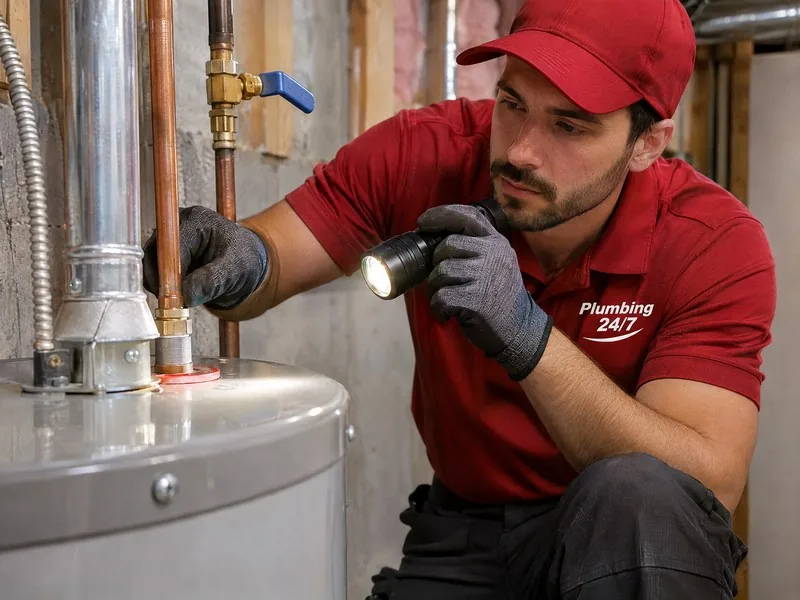
Connections, valves and aging tanks are common leak sources. See why is my water heater leaking?
Showers and tubs
Failed grout, caulking, shower pans and drain seals can let water into floors and ceilings below.
Reducing your risk
- Know where your main shutoff valve is
- Replace aging supply lines proactively
- Consider leak detectors near water heaters, washing machines and under sinks
- Watch your water bill for unexplained increases
If you find a leak, request leak detection and repair.
Need help right now?
Emergency requests are accepted 24/7. We'll contact you as quickly as possible.
Related services
Service areas
This article is general guidance. Every situation is different — when in doubt, put safety first and contact a qualified professional. In an emergency involving danger to life, call 911.