What Is Considered a Plumbing Emergency?
How to tell whether a plumbing problem needs help now or can wait.
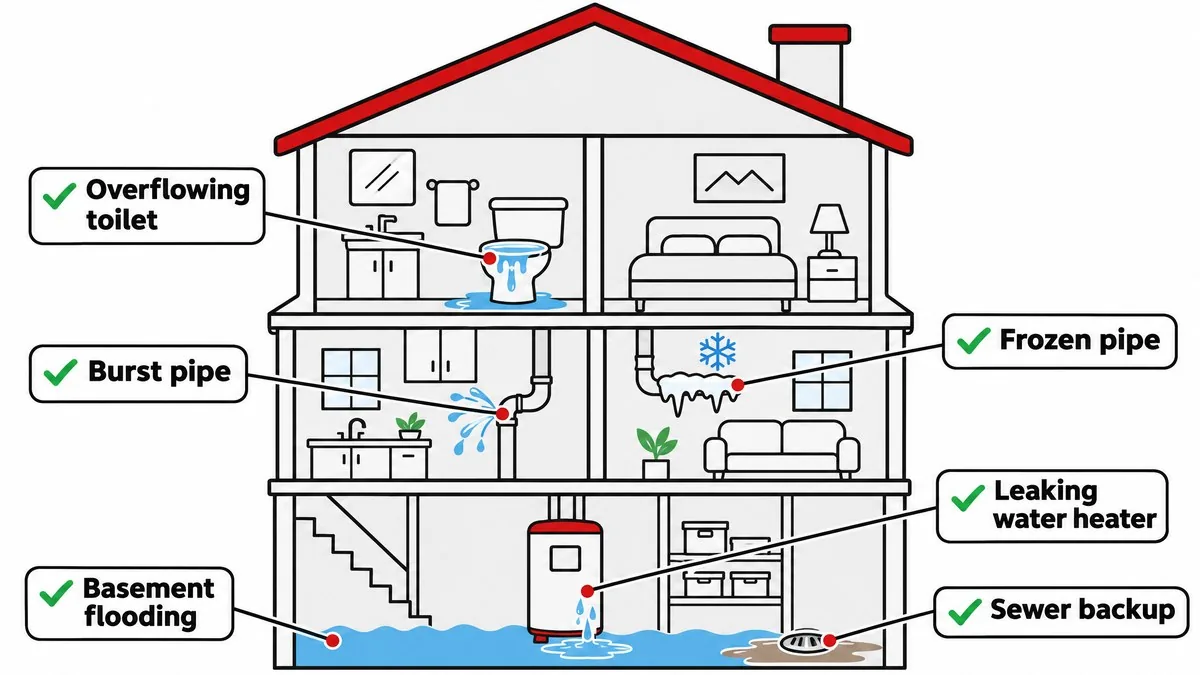
Not every plumbing problem needs help in the middle of the night. But some can't wait — and knowing the difference helps you act quickly when it matters.
Usually an emergency
- Burst or leaking pipes you can't isolate with a fixture shutoff
- Water coming through ceilings or walls
- Basement flooding from any plumbing source
- Sewage backing up through floor drains, toilets or tubs
- No water to the whole home
- Frozen pipes during a cold snap, especially if damage is visible
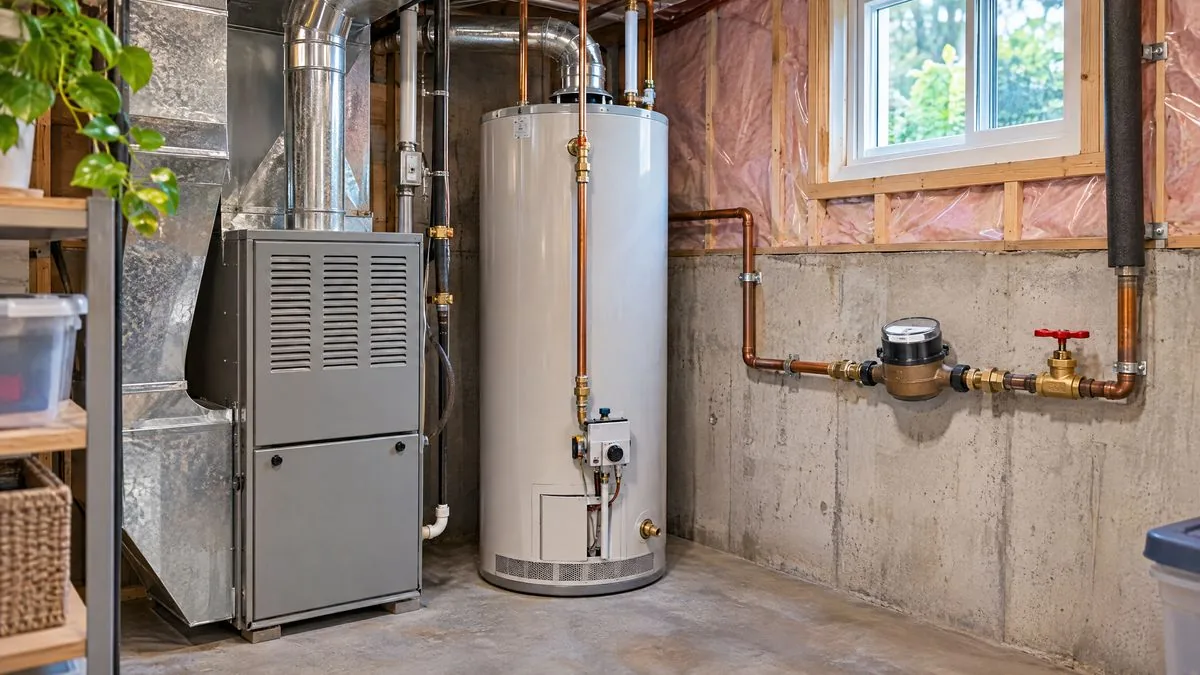
- A leaking water heater tank
- A failed sump pump while water is rising in the pit
- The only toilet in the home overflowing or unusable
Often urgent, depending on circumstances
- A blocked main drain affecting several fixtures
- No hot water during winter, especially for families with young children or older adults
- A leak that's slow but spreading
- Plumbing problems in a business that affect safety, washrooms or operations
Usually can wait
- A dripping faucet
- A running toilet that you can shut off at the valve
- One slow drain when others work
- Low pressure at a single fixture
What to do right now
If water is leaking, close the fixture shutoff or the main water shutoff valve. Stay away from water near electrical equipment. If you smell gas, leave the building and call 911 or your gas utility from outside.
When in doubt, submit an emergency request and describe what's happening. Our team reviews every request and contacts you as quickly as possible.
Need help right now?
Emergency requests are accepted 24/7. We'll contact you as quickly as possible.
Related services
Service areas
This article is general guidance. Every situation is different — when in doubt, put safety first and contact a qualified professional. In an emergency involving danger to life, call 911.