What to Do If Your Pipes Freeze in Ontario
Practical, safe steps to take when a tap stops running during a deep freeze.
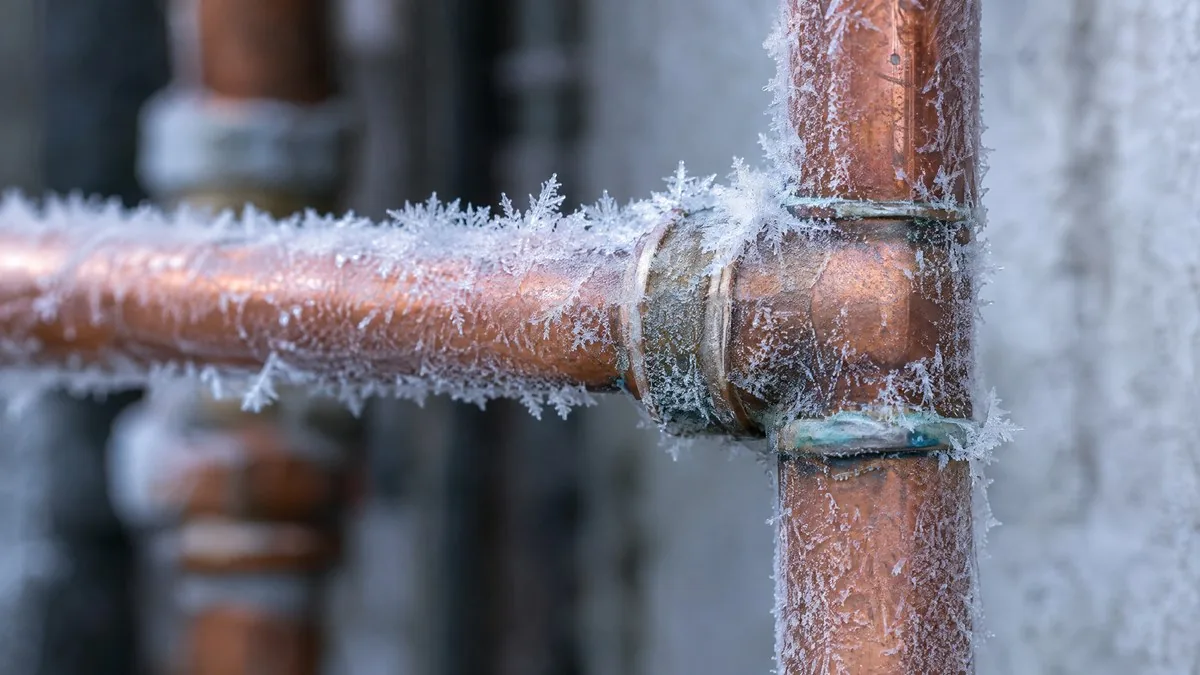
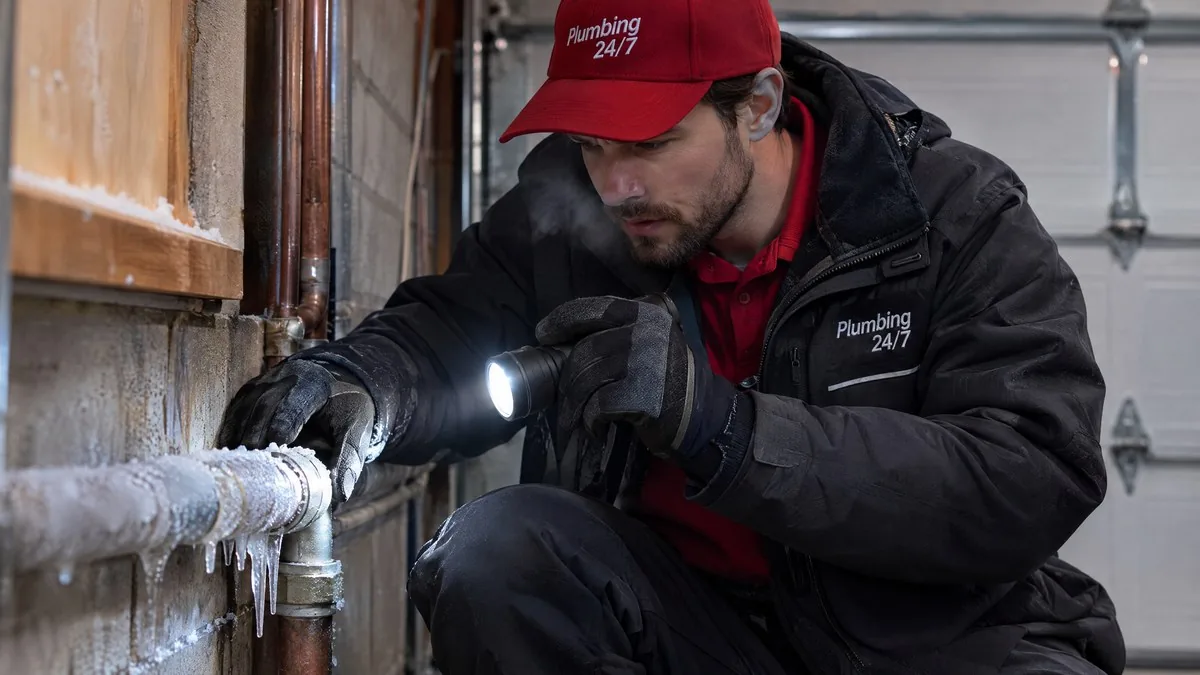
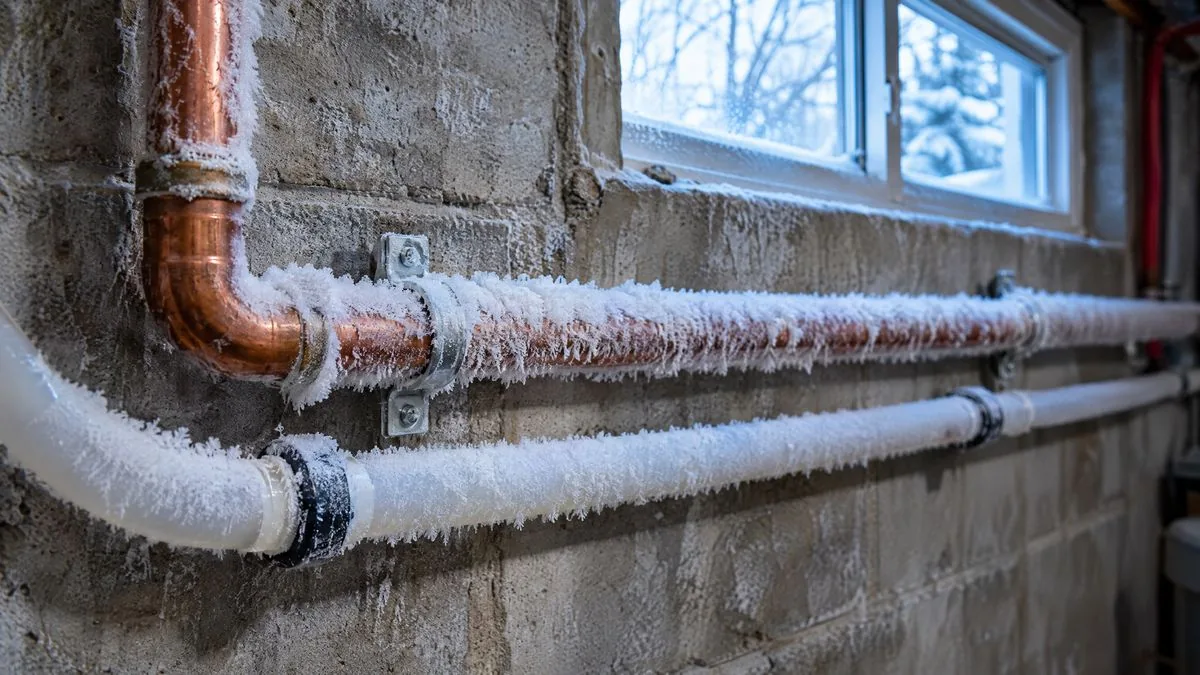
When an Ontario cold snap sets in, pipes in the coldest parts of a home can freeze. The first sign is usually a faucet that gives a trickle — or nothing at all — while others still work. Acting quickly and safely reduces the chance that a frozen pipe turns into a burst pipe.
If water is already leaking or spraying, shut off your main water valve right away and treat it as a burst pipe emergency.
Step 1: Find the frozen section
Frozen pipes are usually in places exposed to cold air:
- Exterior walls, especially behind kitchen and bathroom sinks
- Unheated garages, crawl spaces and attics
- Near where the water line enters the house
- Lines feeding outdoor faucets
Turn on each faucet to narrow it down. If only one fixture is affected, the frozen section is likely on the line to that fixture. If nothing works anywhere, the freeze may be near the main water entry.
Step 2: Know where your main shutoff is
Before you start thawing anything, locate your main water shutoff valve. When ice melts, a hidden crack can start leaking immediately, and you'll want to be able to stop the water fast. See how to locate your main water shutoff valve.
Step 3: Open the affected faucet
Open the faucet on the frozen line, both hot and cold. This relieves pressure and lets melting water flow out, which helps the rest of the ice melt.
Step 4: Apply gentle heat — never an open flame
If the frozen pipe is exposed and you can reach it safely:
- Use a hair dryer, moving it steadily along the pipe, starting from the faucet end and working back
- Warm the room with the home's heating system and open cabinet doors to let warm air reach pipes
- Wrap the pipe in towels soaked in warm water
Never use a torch, lighter, propane heater or any open flame. It can start a fire inside the wall and can damage the pipe. Keep electrical appliances away from water.
Step 5: Watch for leaks as it thaws
Once water starts flowing, check the pipe and the area around it for drips, wet drywall or water on the floor. Leave the faucet running gently for a few minutes. If you see a leak, close the main shutoff valve.
When to request professional help
Request emergency help if:
- You can't find or reach the frozen section
- The pipe is inside a finished wall or ceiling
- More than one area is frozen or the whole house has no water
- The pipe has visible bulging or cracks
- Water starts leaking as the pipe thaws
Request frozen pipe help online — requests are accepted 24/7 and we'll contact you as quickly as possible.
Preventing the next freeze
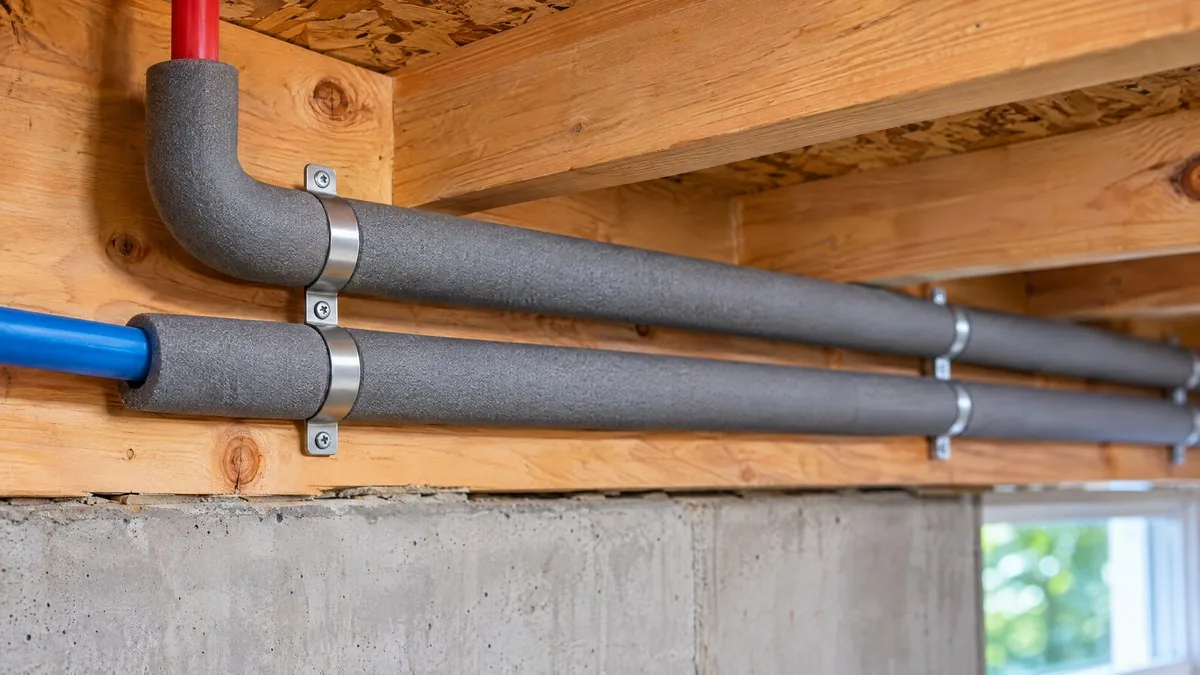
Once the pipe is working again, think about why it froze. Insulating exposed pipes, sealing drafts and keeping heat on in vulnerable areas can make a big difference. Read how to prevent frozen pipes during an Ontario winter.
Frequently asked questions
How long does it take for pipes to freeze?
It depends on the temperature, wind, insulation and how exposed the pipe is. Pipes in unheated or poorly insulated areas can freeze during a single very cold night.
Should I leave a faucet dripping in extreme cold?
Letting a faucet on a vulnerable line run at a slow trickle during extreme cold can help keep water moving. It does use water, so it's best reserved for pipes known to be at risk.
Need help right now?
Emergency requests are accepted 24/7. We'll contact you as quickly as possible.
Related services
Service areas
This article is general guidance. Every situation is different — when in doubt, put safety first and contact a qualified professional. In an emergency involving danger to life, call 911.