How to Prevent Frozen Pipes During an Ontario Winter
Simple steps before and during winter that reduce the risk of frozen pipes.
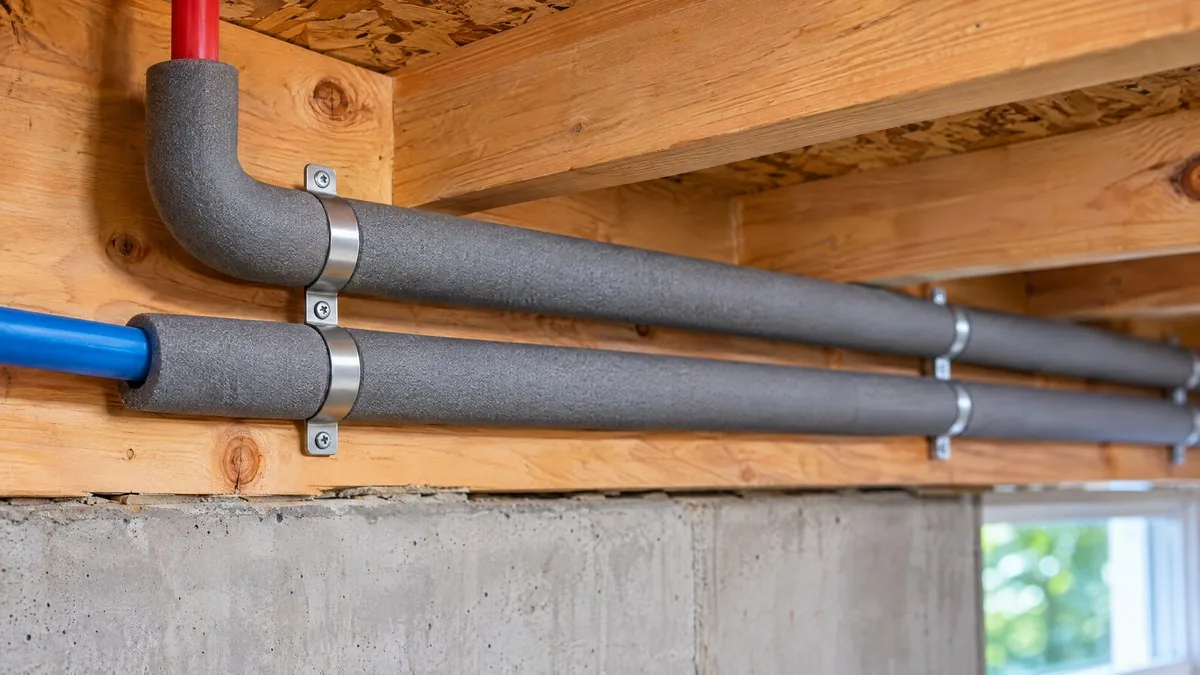
Most frozen pipes can be prevented with a little preparation before winter and a few habits during cold snaps.
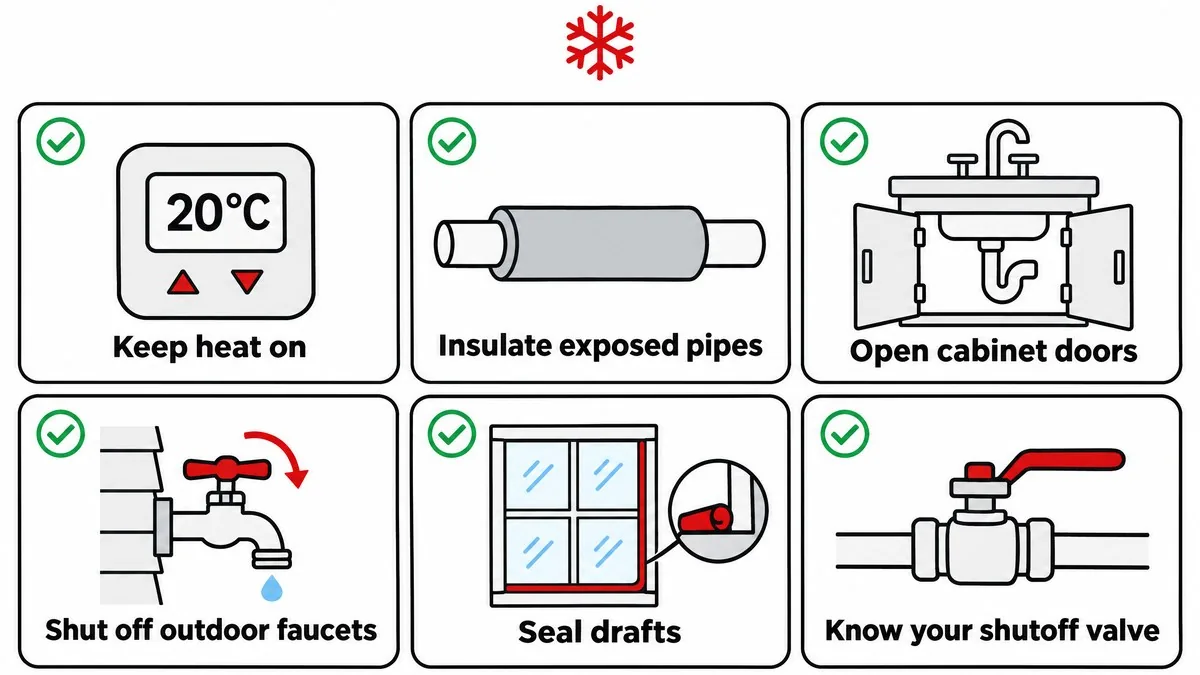
Before winter arrives
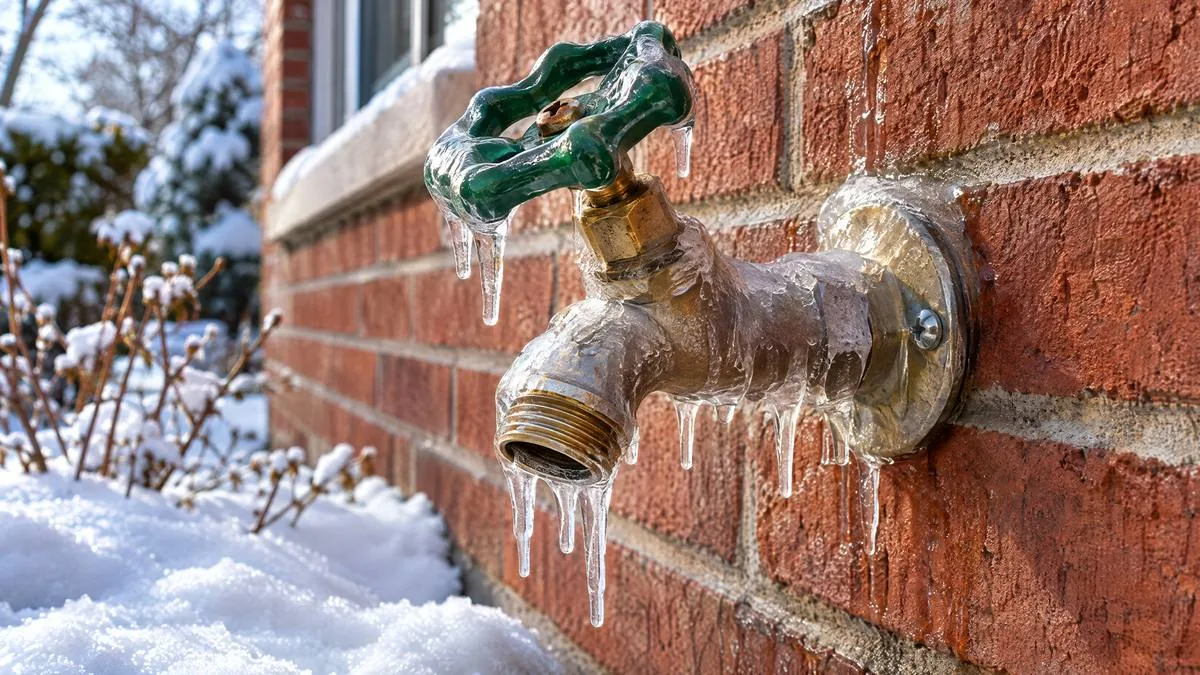
- Shut off and drain outdoor faucets. Disconnect garden hoses, close the indoor shutoff valve for each outdoor faucet if you have one, and open the outdoor faucet to drain it. See how to protect outdoor faucets.
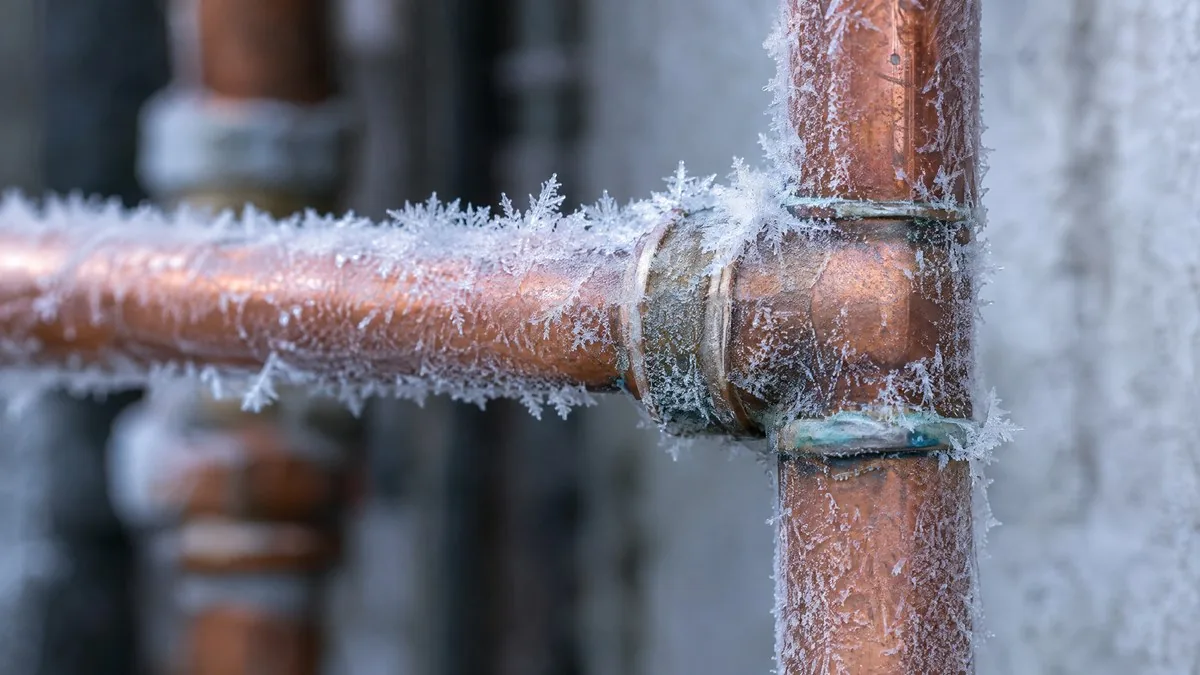
- Insulate exposed pipes. Foam pipe insulation is inexpensive and easy to install on accessible pipes in basements, crawl spaces and garages.
- Seal drafts. Cold air leaking in around the rim joist, dryer vents, cable entries or where pipes pass through walls can freeze nearby pipes. Seal gaps with appropriate materials.
- Know your main shutoff valve. Make sure it turns and that everyone in the home knows where it is.
- Test your sump pump and check that its discharge line won't freeze or get buried in snow.
During cold snaps
- Keep the heat on. Avoid turning the thermostat down sharply overnight during extreme cold.
- Open cabinet doors under sinks on exterior walls to let warm air reach the pipes.
- Keep garage doors closed if water lines run through the garage.
- Let a faucet trickle on a line known to freeze during the coldest nights.
Before you travel
- Keep the heat on while you're away
- Ask someone to check the home regularly
- Consider shutting off the main water valve and draining lines if the home will be empty for a long time — check with your insurer, as some policies have conditions for unoccupied homes
Longer-term fixes
If a pipe freezes year after year, a plumber can recommend permanent fixes such as rerouting the line away from an exterior wall, adding insulation, or installing a frost-free outdoor faucet.
If a pipe does freeze
Follow our guide on what to do if your pipes freeze, or request frozen pipe repair any time.
Frequently asked questions
Is heat tape safe for pipes?
Heat cables designed for pipes can help when installed according to the manufacturer's instructions and electrical requirements. Use only products rated for the purpose and have them installed correctly.
Need help right now?
Emergency requests are accepted 24/7. We'll contact you as quickly as possible.
Related services
Service areas
This article is general guidance. Every situation is different — when in doubt, put safety first and contact a qualified professional. In an emergency involving danger to life, call 911.