Emergency Plumbing for Rental Properties
What tenants and landlords should each do when something goes wrong.

Plumbing emergencies in rental properties involve two parties — the tenant and the landlord — and good communication helps everyone.
For tenants
- Stop the water using a fixture shutoff or the main shutoff valve if you can reach it.
- Stay safe around water and electricity.
- Notify your landlord or property manager right away. In Ontario, landlords are generally responsible for maintaining a rental unit in a good state of repair, including plumbing.
- Document the problem with photos and the time it started.
If you can't reach your landlord during an emergency, take steps to limit damage and keep a record of your attempts to contact them.
For landlords and property managers
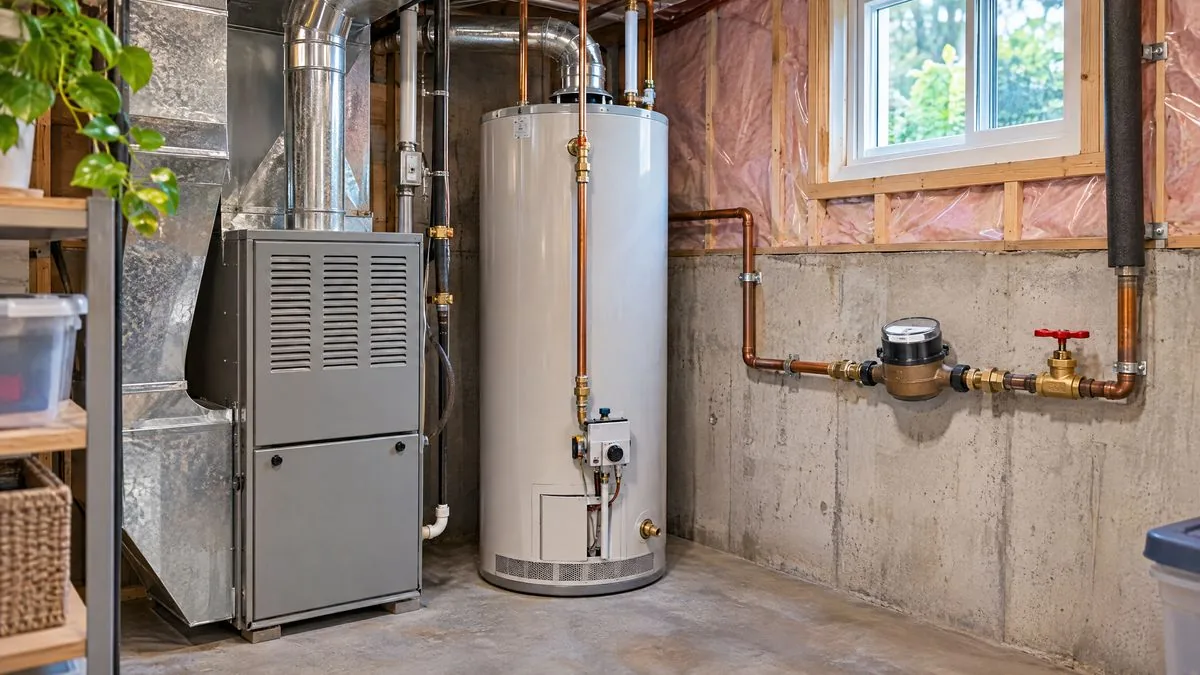
- Make sure tenants know where the main shutoff valve is
- Provide an emergency contact method
- Respond promptly — water damage spreads quickly, especially with basement units
- Landlords and property managers can submit requests on behalf of their properties; include tenant contact and access details
Basement apartments and second units
Many homes in Brampton, Mississauga, Toronto and Oshawa include basement units. A flooded basement may displace a household, so prompt action matters even more.
Prevention
Regular checks of water heaters, sump pumps, supply lines and drains help reduce emergencies — and disputes.
Frequently asked questions
Can a tenant submit a request?
Yes. Tenants should also notify their landlord, who is usually responsible for repairs and costs.
Need help right now?
Emergency requests are accepted 24/7. We'll contact you as quickly as possible.
Related services
Service areas
This article is general guidance. Every situation is different — when in doubt, put safety first and contact a qualified professional. In an emergency involving danger to life, call 911.