How Cold Weather Affects Your Home's Plumbing
Beyond frozen pipes: how winter affects water heaters, drains and sump systems.
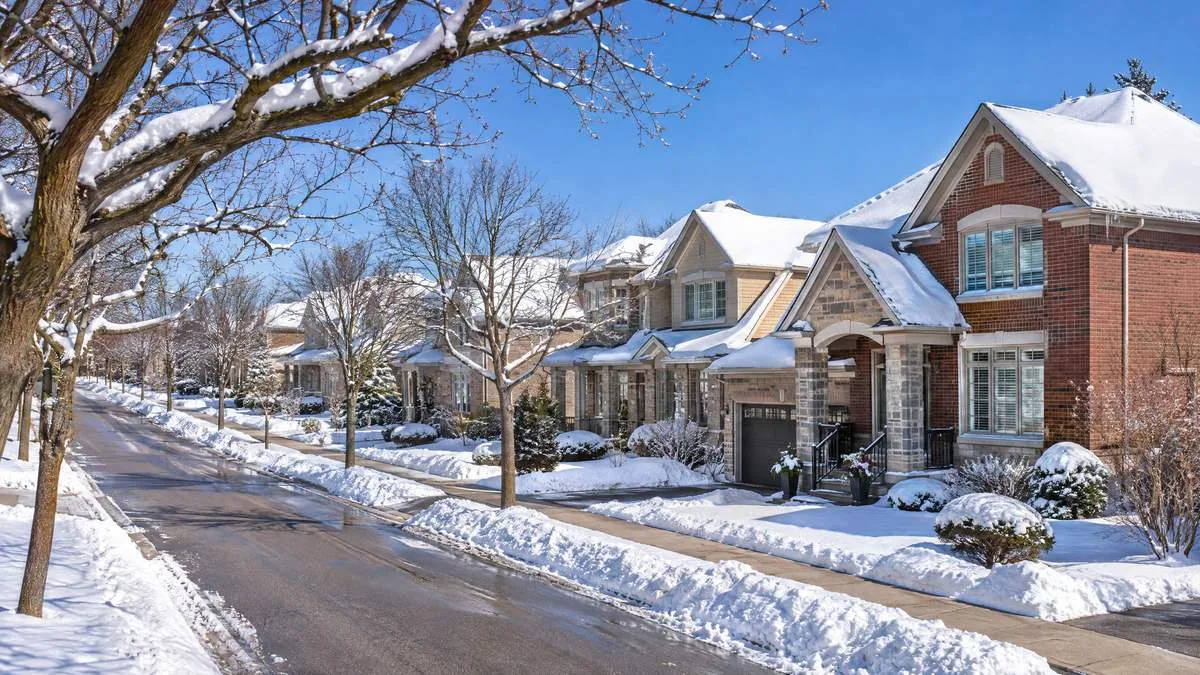
Frozen pipes get the most attention, but cold weather affects almost every part of a home's plumbing system.
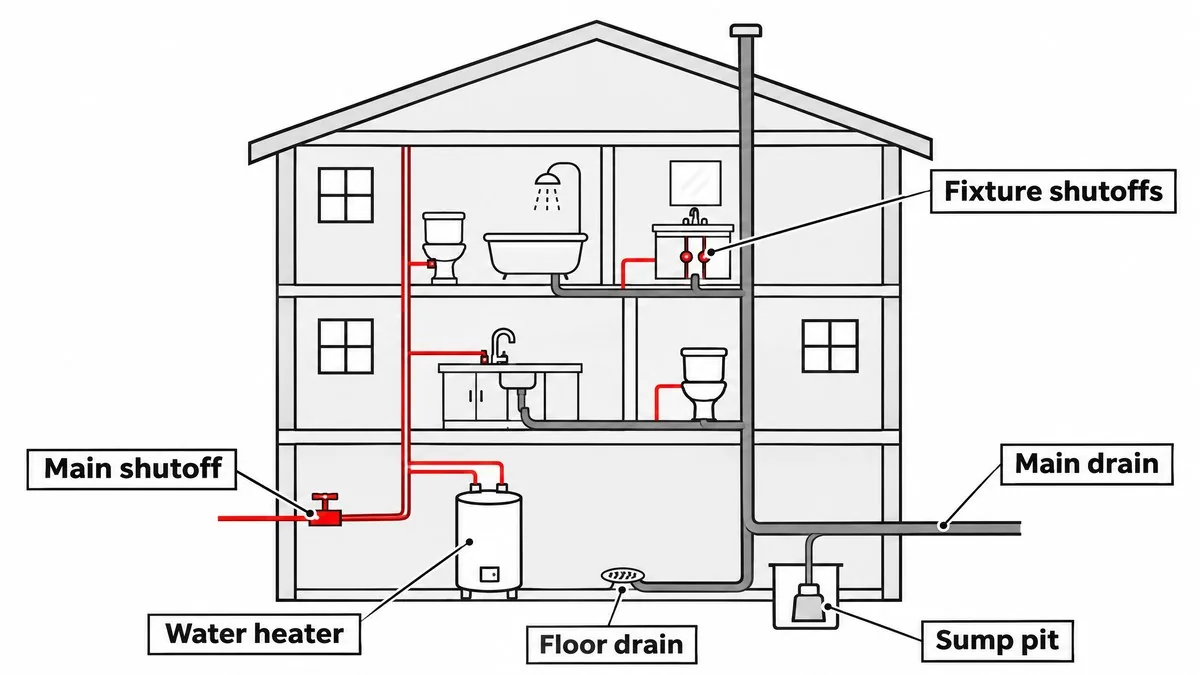
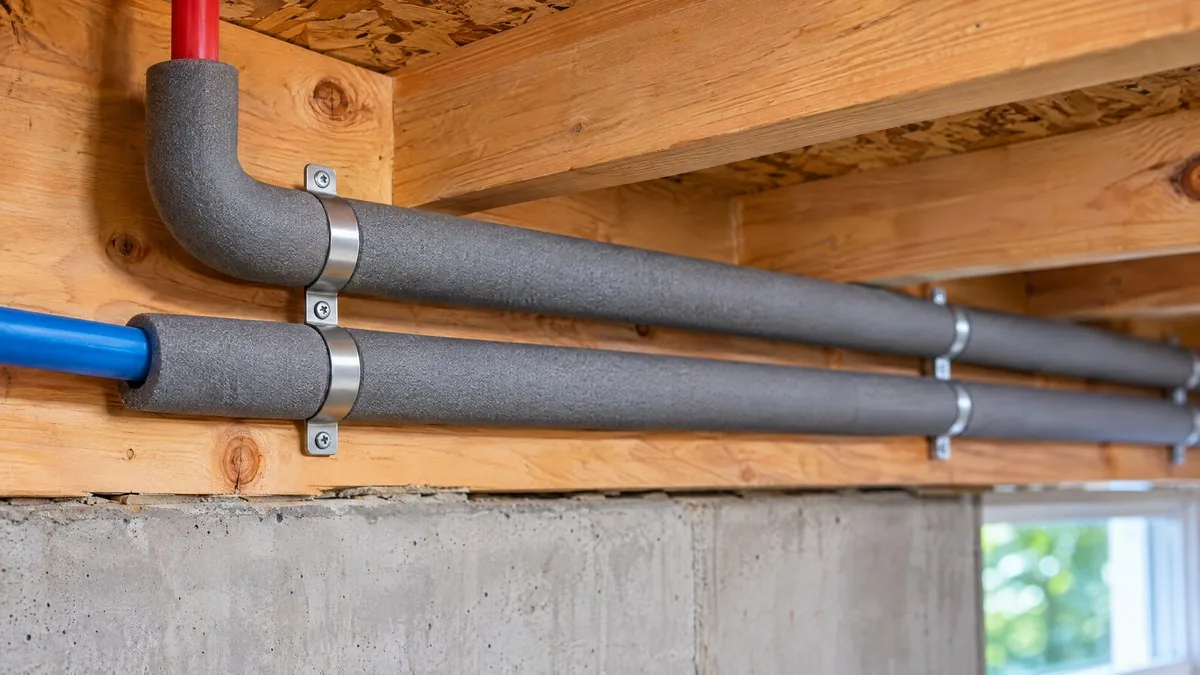
Supply pipes
Water lines in exterior walls, garages, crawl spaces and near drafts can freeze and split. See why pipes burst during cold weather.
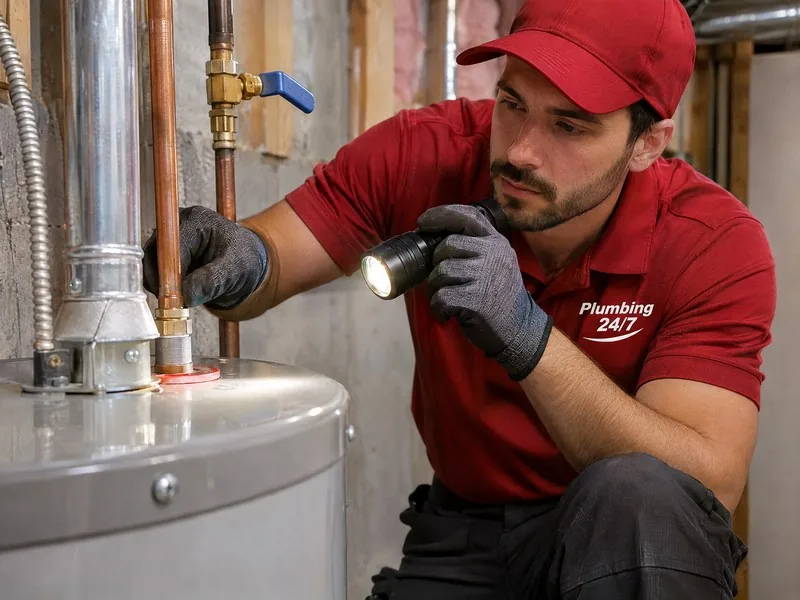
Water heaters
Incoming water is colder in winter, so water heaters work harder and run longer. Older units with sediment buildup or worn components often show problems — such as running out of hot water or leaking — during the coldest months. Read why is my water heater leaking?
Drains and vents
Drain lines are usually less vulnerable because water moves through them, but drains in unheated areas can freeze. Plumbing vents on the roof can also become blocked by frost or snow during extreme cold, which may cause slow drains or gurgling.
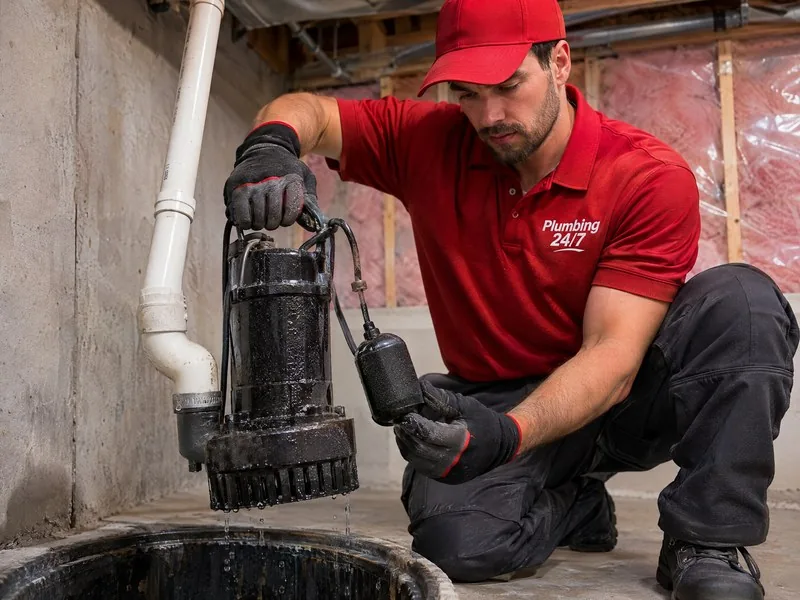
Sump pumps
Sump pumps can be busy during winter thaws and rain. If the discharge line outside freezes or gets buried in snow, the pump may run without clearing water. Keep the outlet clear. See why does my sump pump keep running?
Outdoor faucets and lines
Outdoor faucets left connected to hoses or not drained are among the most common sources of winter damage. See how to protect outdoor faucets before winter.
Water service lines
In long, hard cold spells, frost can reach deeper into the ground and freeze shallow water service lines, leaving a home without water. See why your house suddenly has no water in winter.
Plan ahead
A fall checklist, a known main shutoff valve and a little attention during cold snaps go a long way. If something does go wrong, emergency requests are accepted 24/7.
Need help right now?
Emergency requests are accepted 24/7. We'll contact you as quickly as possible.
Related services
Service areas
This article is general guidance. Every situation is different — when in doubt, put safety first and contact a qualified professional. In an emergency involving danger to life, call 911.